Tax Credit for Air-Source Heat Pumps
What Products Are Eligible?
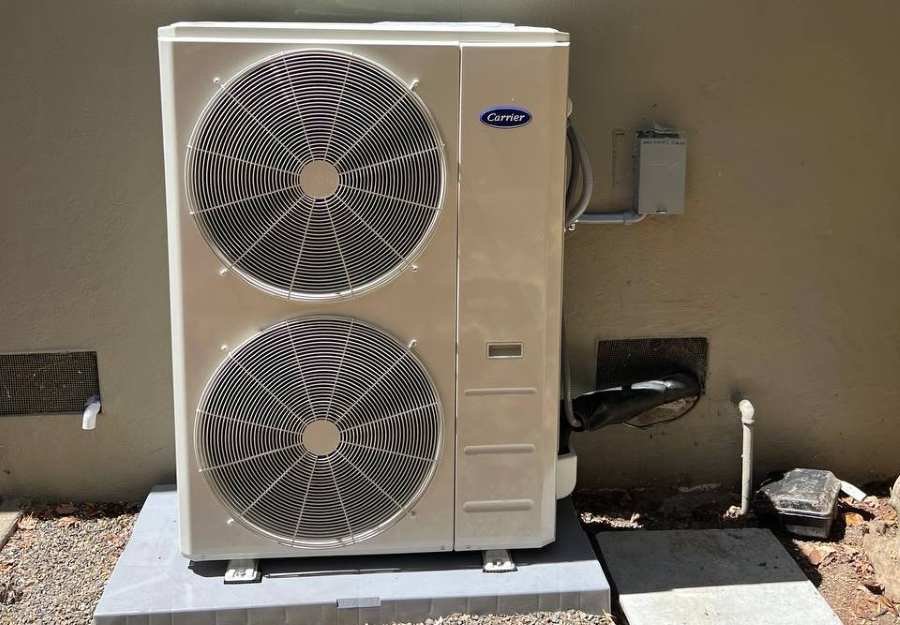
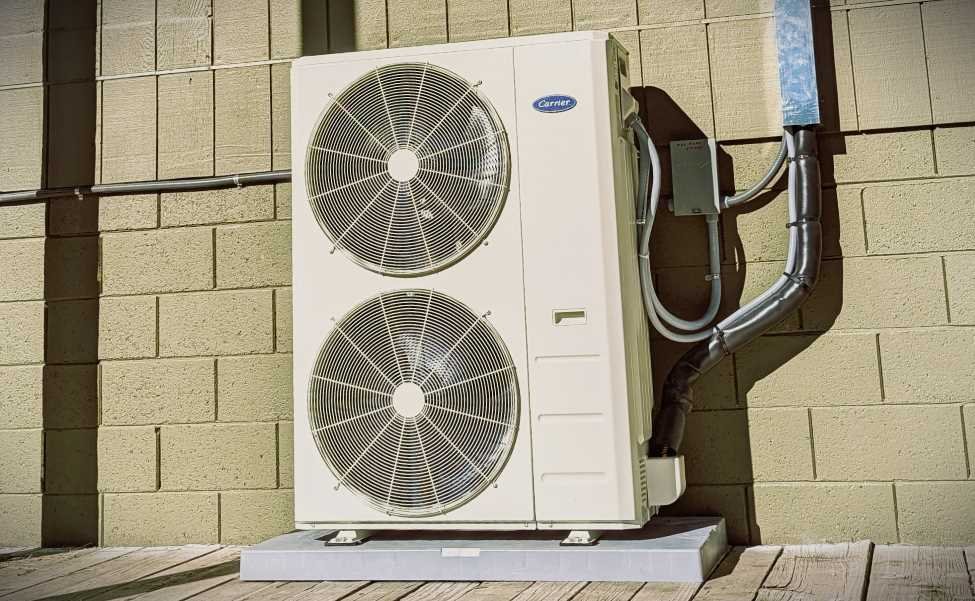
Beginning January 1, 2025, air source heat pumps that qualify as ENERGY STAR Most Efficient will be eligible for the tax credit. There are two separate qualification paths. One is intended for heating-focused use (such as colder climates) — these products will be labeled ENERGY STAR Cold Climate. The second pathway is suitable for cooling-dominant regions or dual-fuel setups (for example, a heat pump paired with a furnace).
Homeowners and contractors may select either qualification path regardless of the home’s region, as regional restrictions no longer apply.
Contractors can reference ENERGY STAR’s list of qualifying heat pumps — including both central and ductless models — to verify whether the equipment meets the tax credit standards.
Note: The tax code states that qualifying equipment must “meet or exceed the highest efficiency tier (not including any advanced tier) established by the Consortium for Energy Efficiency in effect as of the beginning of the calendar year.” The eligibility criteria described above align with this requirement.
Annual Limits for the Energy Efficient Home Improvement Tax Credits
Along with individual limits for specific improvements, there are also annual caps on the total amount of credit you can claim. The maximum annual credit for efficiency upgrades is $3,200.
This includes:
- Up to $1,200 per year for any mix of home envelope upgrades (windows, doors, skylights, insulation, electrical) as well as furnaces, boilers, and central air conditioners.
- Up to $2,000 per year for any combination of heat pumps, heat pump water heaters, and biomass boilers or stoves.
(ENERGY STAR–certified geothermal heat pumps fall under a separate credit and do not count toward these limits.)
Note: All information regarding eligible air-source heat pumps reflects the latest available guidance. Eligibility remains tied to the highest non-advanced CEE efficiency tier at the start of the calendar year and may shift depending on final CEE Criteria and IRS rules.
Who Can Claim This Credit?
Eligibility depends on the type of improvement:
- Exterior doors, windows, skylights, insulation, and air-sealing materials:
The home must be in the United States and must be owned and used by the taxpayer as their principal residence. (Rentals and second homes do not qualify.) - Central air conditioners; gas, propane, or oil water heaters; gas, propane or oil furnaces or boilers; electric or gas heat pumps; heat pump water heaters; biomass systems; and electrical panel upgrades:
The home must be located in the U.S. and used by the taxpayer as a residence — this includes second homes and renters. - Home energy audits:
The home must be in the U.S. and must be the taxpayer’s principal residence. Renters may qualify; second homes do not.
Credits are only available for certain improvements made to second homes, and never for properties that are not used as a residence by the taxpayer. For instance, a landlord cannot claim credits for upgrades to a rental property unless they also live there. However, if a tenant upgrades a home they rent and use as their main residence, they may be eligible for the credit.
A principal residence is where you live most of the year. It must be located in the U.S. and may include a house, condo, cooperative apartment, manufactured home, mobile home, or even a houseboat.
How to Maximize Your Tax Credits
Because annual caps apply, spacing out improvements over several years can increase your total benefit.
For example:
-
If your HVAC system is aging and you’re considering an air source heat pump, it’s smart to upgrade attic insulation first to reduce heating and cooling demand. Doing both in the same year could allow you to claim up to $1,200 for insulation and up to $2,000 for the heat pump.
- You can also pair a heat pump installation with new windows or doors. In this case, the $2,000 heat pump credit could be combined with credits of up to $600 for windows/skylights and up to $500 for two or more exterior doors.
- If you upgrade your water heater the following year, you may again receive a 30% credit — up to $2,000, plus up to $600 for an electric panel upgrade if needed.